Comprehending LLCs: Trick Information for Business Owners


Restricted Obligation Companies (LLCs) are a popular company framework in the USA, favored by numerous because of their versatility and the security they use. An LLC combines the pass-through taxation of a collaboration or single proprietorship with the restricted responsibility of a company. This implies that while the profits and losses of the organization can travel through to the owners' personal income tax return, each owner's (described as participants) monetary risk is typically limited to their investment in business. This structure is particularly appealing for small to medium-sized company ventures. Establishing an LLC entails a number of actions, including selecting a special name, submitting posts of organization with the pertinent state authority, and developing an operating contract, which outlines the administration structure and functional treatments for the company.
The operating arrangement is a crucial paper for any kind of LLC. It not just structures the administration and economic arrangements of business but additionally establishes the guidelines for how choices are made and disputes are dealt with among members. This flexibility enables LLC participants to tailor business according to their details needs and goals, unlike corporations, which must abide by even more stiff functional structures and requirements. Additionally, LLCs are subject to fewer recordkeeping and coverage requirements than companies, making them a less challenging option for some company owner. The benefits of an LLC, such as limited obligation, can be compromised if the organization stops working to maintain a clear difference between personal and service finances, a principle recognized as preserving the "business veil." To preserve this defense, LLCs must comply with specific operational requirements, such as holding normal conferences and keeping thorough financial records.
Understanding Restricted Liability Business (LLCs)
A Restricted Responsibility Company (LLC) is a popular business framework among business owners across numerous industries due to its adaptability and the defense it supplies. Structurally, an LLC is a hybrid entity that incorporates the qualities of both a partnership and a corporation or sole proprietorship. Among the primary advantages of an LLC is that it supplies its owners, that are often referred to as participants, with individual liability protection. This suggests that participants are typically not directly in charge of business financial obligations and responsibilities. This attribute is especially attractive as it limits the risk to participants' individual assets, such as financial savings or homes, in case business faces legal actions or financial obligations. Furthermore, LLCs are known for their tax adaptability. They can choose to be taxed as a single proprietorship, a partnership, or a firm, enabling them to choose one of the most helpful tax treatment for their specific circumstance. One more appealing facet of LLCs is the convenience of maintenance. Unlike companies, which are needed to hold annual meetings and record minutes, LLCs do not have these official demands, making them less burdensome from a management perspective. Setting up an LLC can be reasonably simple, with requirements differing slightly from state to state, however generally entailing the filing of Articles of Company with the appropriate state agency and paying a declaring fee. This convenience of formation, combined with the advantages it offers, makes the LLC an engaging choice for local business owner looking for adaptability and protection.
Recognizing the Structure and Benefits of Restricted Responsibility Firms (LLCs)
When considering the formation of a Minimal Obligation Firm (LLC), it is important to understand both its architectural features and the unique benefits it offers to business owners. An LLC is a versatile service entity that integrates aspects of both corporation and partnership structures, making it an enticing selection for numerous entrepreneurs. Among the key advantages of an LLC is the limited obligation defense it supplies to its owners, called members. This security implies members are generally not personally responsible for the service financial debts and obligations of the LLC, which resembles the protections managed to investors of a corporation. This function is particularly valuable as it shields personal assets like homes and cost savings from business-related suits or financial debts.
One more substantial advantage of an LLC is its tax obligation flexibility. Unlike a firm, an LLC is not exhausted as a different service entity. Instead, losses and revenues can be travelled through to members and reported on their personal income tax returns, preventing the dual taxes typically connected with business frameworks. LLCs likewise supply substantial versatility in regards to administration. They can be managed by members, which enables all proprietors to be equally involved in the day-to-day choices of the service, or they can assign supervisors to handle these jobs, which can be useful if members like to be passive investors.
In addition, developing an LLC is normally easier and includes much less documents and reduced start-up expenses than corporations. This ease of formation makes it an obtainable option for local business and start-ups. In addition, LLCs do not have a fixed number of participants, and there is no need for annual conferences or formal officer roles, unlike in firms. This adaptability can be extremely helpful for local business owners who look for simpleness in their organization operations. Ultimately, as a result of their simpleness and flexibility, LLCs are an outstanding selection for cross-border organizations that look for to develop an existence in various states or countries without complex regulative difficulties.
Generally, the LLC framework supplies a mix of responsibility defense, tax performance, and operational flexibility, making it a highly attractive alternative for organization proprietors. Whether you are launching a brand-new venture or considering a legal framework for your existing service, understanding these advantages can aid you choose if an LLC is the right option for your company needs.
Recognizing the Structure and Advantages of an LLC
Limited Liability Firms (LLCs) stand for a popular organization structure in the USA as a result of their versatility and the protection they provide to their owners. An LLC is a hybrid entity that combines the qualities of both a firm and a collaboration or sole proprietorship. Unlike sole proprietorships, where personal properties can be taken to cover service financial debts, an LLC gives its proprietors, additionally called members, with minimal responsibility protection. This implies members are not directly accountable for service debts and responsibilities. This security belongs to that of a firm, yet the LLC is simpler to establish and operates with less procedures.
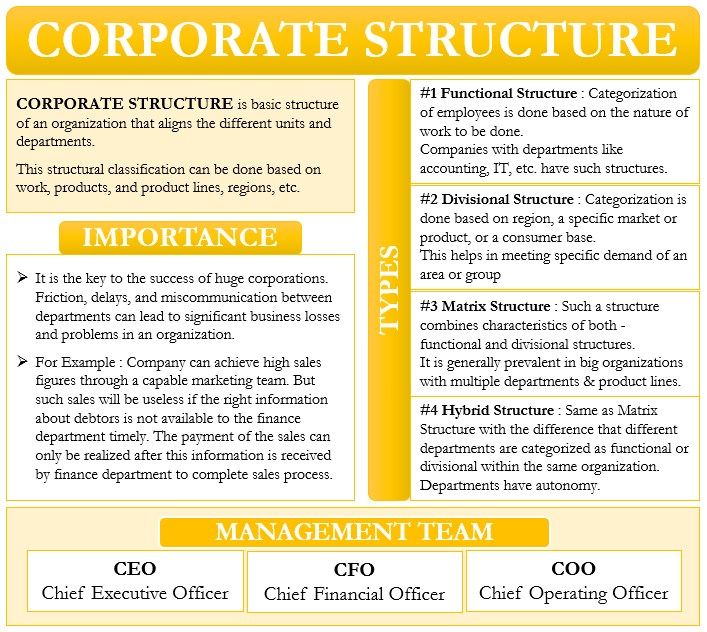
In addition, LLCs use significant flexibility in regards to tax obligation treatment. By default, an LLC is dealt with as a pass-through entity for tax functions, suggesting that business itself does not pay taxes on its earnings. Rather, what is an example of a white collar crime and profits are travelled through to the participants' individual tax return. Nonetheless, an LLC can likewise elect to be tired as a corporation if that is more advantageous for the company conditions. This convenience in tax handling can bring about substantial tax financial savings and offer higher control over monetary planning. Management structure in an LLC is additionally adaptable. Members can select to handle business themselves, understood as member-managed. They can assign managers to handle the everyday operations, which is valuable if participants want to take an easy role in the business. This is especially beneficial for bigger business or for members that do not have the time or need to be involved in day-to-day management. The convenience of establishing and preserving an LLC is one more reason that it is such an appealing option for many service proprietors. The process normally entails filing the Articles of Organization with a state's assistant of state workplace and paying a declaring charge. While requirements can differ by state, the overall procedure is simpler compared to corporations, which require a board of directors, regular directors' conferences, and various other business rules. In recap, the framework of an LLC uses a mix of responsibility security, tax obligation benefits, and functional flexibility, making it a superb choice for several business owners. Whether starting a brand-new organization or restructuring an existing one, considering an LLC might be an advantageous choice.
Strategic Factors To Consider for Handling an LLC
When operating a Restricted Liability Company (LLC), critical factors to consider play a critical function in guiding business in the direction of continual success and growth. Among the fundamental facets to think about is the administration framework of the LLC, which can be member-managed or manager-managed. In a member-managed LLC, all participants (owners) proactively join the decision-making procedures, whereas in a manager-managed LLC, either a marked member or an outdoors manager tackles the obligation. This choice impacts exactly how day-to-day operations are managed and just how dexterous the LLC can be in reaction to organization needs. One more crucial area is the understanding of tax effects which vary dramatically depending upon the picked structure of the LLC. Choosing to be tired as a company, for circumstances, might profit companies expecting to reinvest earnings into the company, while others could profit a lot more from the pass-through taxation normal of LLCs, where losses and revenues are reported on individual participants' tax obligation returns, potentially decreasing the general tax burden. In addition, an LLC has to be watchful about preserving its conformity with both state and federal regulations, which entails normal filings like yearly records and keeping excellent standing via prompt updates of licenses and licenses. Failure to conform can lead to penalties, fines, and even dissolution. Strategic preparation likewise extends to economic management, highlighting the significance of durable bookkeeping and monetary analysis. This not only assists in tracking the financial wellness of the company however also prepares it for potential audits and assists in calculated choices based upon financial understandings. An LLC should meticulously consider exactly how to secure its properties and limitation liabilities. This involves correct insurance policy protection, investing in good legal advice, and clearly specifying participant roles and responsibilities to ensure and stay clear of disputes clearness in procedures. Lastly, development preparation is important, requiring the LLC to be aggressive in recognizing brand-new market chances, scaling operations, and potentially changing its functional design as the business advances. This may include checking out brand-new markets, item diversity, or critical partnerships. Each of these steps calls for a careful analysis of market problems, competitor tasks, and internal abilities to guarantee that growth is both sustainable and straightened with the total objectives of the LLC. By resolving these vital locations, an LLC can position itself for lasting success and strength in the face of altering organization atmospheres.